
The Furnace Died at 2 AM. Now What?
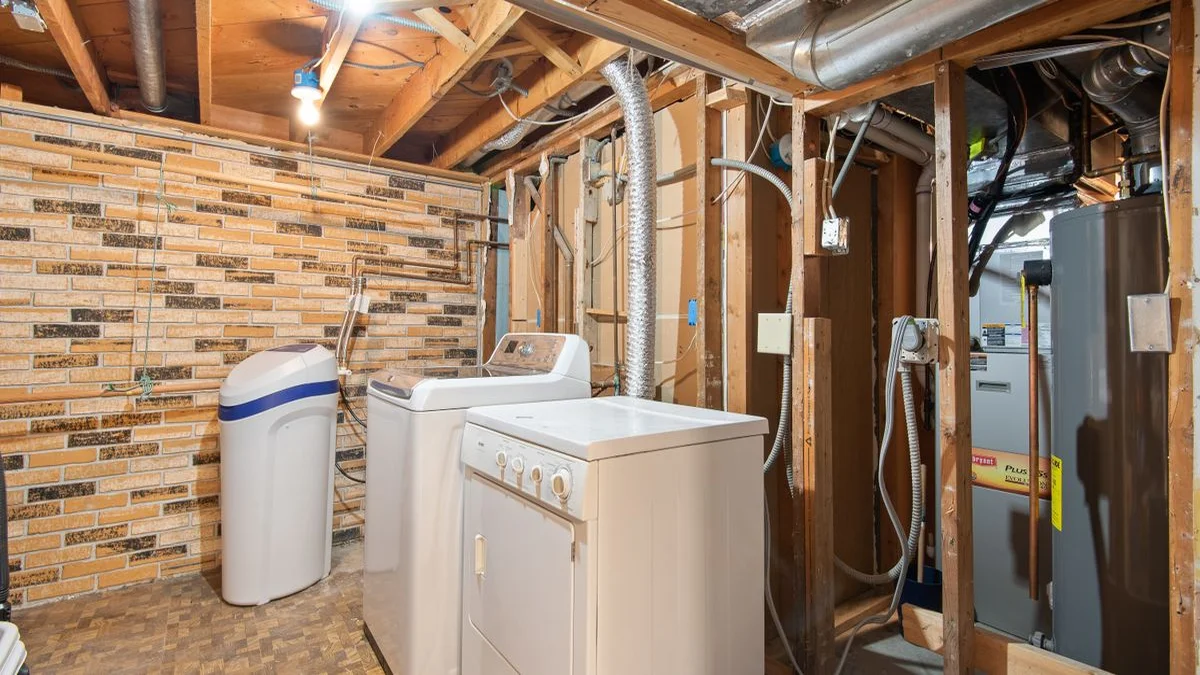
Here is a night that plays out in many homes, told through an imagined homeowner named Frank. It was February, single digits outside, and the furnace in his 1968 split-level stopped mid-cycle. He stood in the basement, phone in hand, staring at the breaker box. No signal down there. The manual was somewhere in a drawer upstairs — if he could remember which one. The service company’s number was saved on a scrap of paper taped to the water heater. That taped note had survived a decade of humidity, barely.
He found the number eventually. Two hours, one frozen pipe, and a lot of frustrated muttering later.
That night isn’t unusual. It happens to homeowners of every age. But for seniors aging in place, the stakes are higher. A roof leak that goes unnoticed for a week becomes structural damage. A water heater that fails quietly floods a finished basement. The difference between a minor repair and a major emergency can be a well-organized home maintenance schedule for seniors.
The good news? Reduce the odds of a 2 AM emergency with a simple, seasonal system that lives entirely in your home. Let’s build one.
Why Written Notes Fail for Most Seniors
Many home organization systems assume a level of physical and digital mobility that many seniors simply don’t have.
A spreadsheet requires a computer, a password, and the patience to maintain it. A three-ring binder gets buried under bills. Sticky notes peel off and vanish. And the apps?
Many home maintenance apps push your data to the cloud, require accounts, and charge subscriptions. Try explaining to an 80-year-old why their home’s mechanical history is stored on a company’s server that could disappear if the startup runs out of funding. When a company shuts down, it can take your home’s memory with it.
That’s not hypothetical: companies do shut down, and when an app is discontinued, the data stored in it may go with it.
So what actually works for seniors? Systems that respect three constraints:
- Offline by default — basement, garage, and back yard have no reliable signal. The system must work there.
- One location — a single, obvious place where all critical information lives.
- Decades-long perspective — homes accumulate history. The system must survive memory decline, new caregivers, and family members who visit twice a year.
We believe home tools should work offline by default. Here’s why: the moment you need the furnace manual is the moment your phone has no bars.

The 5 Critical Pieces of Home Information Every Senior Needs
Before we get to the seasonal checklist, we need to establish a baseline. Every home has a handful of critical systems that fail eventually. When they do, someone needs to find the right information fast.
Start a “Home Operating Manual” — a single binder or accordion folder kept in a consistent, accessible spot. Not the basement. Not the attic. The kitchen counter or a hall closet shelf. Somewhere you’ll reach without climbing stairs.
Fill it with these five sections:
1. Shut-off locations. Water main valve. Gas shut-off. Main electrical breaker. Individual water valves for toilets and sinks. Label each with a photo of the actual valve and written directions. When a pipe bursts, you have seconds, not minutes, to find the valve.
2. System age and serial numbers. Furnace, water heater, roof, HVAC, major appliances. Write down the installation date, model number, and serial number. When a system fails at 9 PM, the emergency repair technician needs this before they can quote you.
3. Service provider contacts. Every plumber, electrician, HVAC tech, roofer, and handyman you’ve used. Include who they are, what they fixed, and when. Years of accumulated trust is real data — write it down.
4. Manuals and warranties. Every appliance manual, in one place. A single plastic bin beats “that drawer in the den” every time.
5. Maintenance log. One page per year, one line per task. Date, task, cost, notes. This becomes your home’s medical chart.
An emergency is a poor time to hunt through drawers for the furnace manual. Every minute spent searching is a minute in a cold house, with a worried spouse and pipes threatening to freeze.
A Simple Seasonal Home Maintenance Schedule for Seniors
Now the real work. Seasonal checklists keep small problems small. But most published checklists are written for 40-year-olds with ladders, power tools, and a contractor on speed dial.
This easy home upkeep checklist seniors can follow keeps tasks simple, safe, and mostly indoors. Anything requiring a ladder above the second rung or significant physical effort gets delegated — to a family member, neighbor, or paid service. That’s not weakness. That’s smart resource management.
Spring Tasks (April–May)
- Check the HVAC filter. Look at it on the first day of every month, and replace it when it looks dirty or when the manufacturer says so. Set a recurring reminder on your phone or use the calendar method.
- Check the sump pump. Pour a bucket of water into the pit. It should kick on and drain. If it doesn’t, call someone before spring rains arrive.
- Know your water heater’s pressure relief valve. Many manufacturers recommend testing it about once a year, and your manual will say how. The water that comes out is hot, so this is a job for a plumber or a family member. If nothing comes out or it keeps dripping, the valve may be stuck or worn and needs a professional’s attention.
- Inspect window screens and exterior caulking. Look for gaps and tears. Note them on a “summer projects” list for younger helpers.
- Schedule a roof inspection. Pay a professional to look; a pro spots problems you can’t see from the ground. Ask for the price before you agree to the visit.
Summer Tasks (June–August)
- Clean the dryer vent. The National Fire Protection Association (NFPA) found that failure to clean was the leading factor in home clothes dryer fires, at one third of dryer fires in its 2010 to 2014 data. NFPA advises cleaning the lint filter before or after every load and cleaning the vent pipe at least once a year, or sooner if clothes take longer to dry. A simple brush kit from any hardware store handles the vent, or a lint removal service can do it for you.
- Check the garage door reverse mechanism. Lay a 2x4 flat on the floor in the door’s path and press close. The door should reverse as soon as it touches the board. The Door & Access Systems Manufacturers Association (DASMA) recommends a 2x4 laid flat rather than a roll of paper towels, because paper towels may not compress to the 1.5-inch height the safety system is meant to detect. If the door doesn’t reverse, have a garage door technician adjust it. This test can save a pet’s life — or a grandchild’s.
- Flush the water heater. Many manufacturers recommend flushing the tank periodically to clear sediment, which can reduce efficiency and shorten lifespan. Your manual gives the schedule. The water is hot and the drain valve can be awkward, so this is a good job for a plumber or a family member.
- Prune trees away from the roof and power lines. Branches that scrape the roof on windy days eventually cause leaks. Ask a family member or hire a landscaper for anything above head height.
- Walk the property after heavy rain. Look for pooling water near the foundation. That’s a drainage problem that becomes a basement problem.
Fall Tasks (September–November)
- Gutter cleaning, twice. Once after the leaves are mostly down, once after the final drop. Clogged gutters cause ice dams, which cause roof and interior damage.
- Drain outdoor hoses and shut off exterior spigots. A frozen spigot cracks the pipe inside the wall. Once cracked, the leak doesn’t show until the thaw — usually in the ceiling below.
- Service the furnace. An annual professional inspection can catch the issues that cause 2 AM failures. If you only do one task from this list, make it this one. It’s also a good time to check that your carbon monoxide alarm works.
- Check weatherstripping on doors and windows. It’s cheap to replace, and Ready.gov lists insulation, caulking and weather stripping among the ways to prepare your home for cold weather.
- Test smoke and CO alarms. Test them every month. For smoke alarms with replaceable batteries, the US Fire Administration says to replace the batteries at least once a year, and to replace the entire smoke alarm every 10 years. Replace CO alarms by the manufacturer’s instructions. Clock-change weekends are a handy reminder for the battery swap. Ask a family member to help with high ceilings.
Winter Tasks (December–March)
- Keep cabinet doors open under sinks when very cold weather is forecast. The Red Cross advises this so warmer air can reach pipes in exterior walls. Move cleaners and household chemicals out of reach of children first.
- Let faucets drip during extreme cold. The Red Cross says running water, even at a trickle, helps prevent pipes from freezing.
- Know your emergency plan. If the heat fails and the repair takes days, where do you go? Write down two options: a family member’s home and a local senior center or hotel. Never heat your home with a gas stovetop or oven, and keep working carbon monoxide detectors on every level, as Ready.gov advises.
- Check for ice dams after heavy snow. Icicles forming along the roofline edge often mean heat is escaping and melting snow, which refreezes at the gutter. A roof rake removes snow before it becomes a problem.
Aging in place home maintenance isn’t about doing more. It’s about catching problems while they’re still small. A routine furnace inspection in October is usually a smaller bill than an emergency call in January, and it happens on your schedule. That’s the entire game.

7 Warning Signs Your System Is Failing
Sometimes the problem isn’t the checklist. It’s the underlying organization. Here are seven signs that your current approach to seasonal home tasks for elderly homeowners isn’t survivable for the long term:
-
You can’t find the water shut-off valve when asked. Test this right now, without looking at any documentation. Do you know exactly where it is? Could you show a visiting grandchild in under 30 seconds?
-
You have multiple half-finished notebooks, binders, and scrap paper systems. Fragmentation means critical information gets lost. Consolidate to one operating manual.
-
Family members don’t know where anything is. Ask your adult child: “If I wasn’t here, could you find the furnace manual? The water heater serial number? The name of the plumber I trust?” If they hesitate, your system is private knowledge, not shared knowledge.
-
You avoid scheduling maintenance because “it can wait.” Postponed inspections are how minor repairs become major replacements.
-
Your appliance manuals are scattered across rooms and drawers. They belong in one place. Every. Single. One.
-
You’re relying on memory for system ages. If you can’t recall the year the roof was replaced without checking a closing document, write it down today. Roofing materials wear out on different timescales, so the roof’s age tells you what to budget for and when to have it inspected. That knowledge has an expiration date.
-
A contractor recently asked for information you didn’t have. Serial numbers, filter sizes, system capacity — these are usually printed on unit stickers. Record them once, and you never crawl behind the water heater again.
None of these are failures. They’re the natural result of decades of accumulating a home’s complexity without a system to match.
The 20-Minute Setup That Changes Everything
You don’t need a full weekend. You don’t need to digitize every scrap of paper. You need one hour, one binder, and a felt-tip pen that writes large. Each step below is 20 minutes or less, so you can do them one at a time.
Step 1 — Gather the paper (20 minutes). Collect every manual, warranty card, and service receipt you can find. Don’t organize yet. Just pile everything in one room.
Step 2 — Identify the critical systems (15 minutes). Write the age and serial number of your furnace, water heater, and roof onto one page. If you don’t know, check the stickers on the units now. For the roof, call the company that installed it — they keep records.
Step 3 — Build the binder (15 minutes). Five labeled sections: Shut-offs, Systems & Serial Numbers, Service Providers, Manuals & Warranties, Maintenance Log. Insert the pages. Done.
Step 4 — The family walkthrough (10 minutes, do once). When your adult children visit next, walk them through the binder. Show them the water shut-off valve physically. Point to where the binder lives. Ten minutes of your time gives them decades of peace of mind.
That’s the whole system. It needs only a binder, some sheet protectors, and a Sharpie, and it requires no internet connection, no password, no account, and no company server that might vanish next year.
The goal of a home maintenance schedule for seniors is quiet confidence. You have lived in this home for decades. It has sheltered you through everything. A simple organizational system lets you keep that independence — and gives everyone who loves you one less thing to worry about.
Start today. Not because something is broken. Because one day, something will be. And when the furnace dies at 2 AM, you’ll know exactly what to do. If you’re choosing a phone or tablet app to go with the binder, see our guide to the best apps for seniors. And if you’re helping an older parent set up their first maintenance system, our first car maintenance checklist for teens follows the same philosophy: simple, repeatable systems beat complex ones every time.
Sources: NFPA, Home Fires Involving Clothes Dryers and Washing Machines (March 2017, 2010 to 2014 data) and NFPA dryer safety tips; DASMA, Paper Towels vs. 2x4s; US Fire Administration, Smoke alarms; NFPA, Smoke alarms (CO alarms: replace per the manufacturer); American Red Cross, Preventing and thawing frozen pipes; Ready.gov, Winter weather. Frank is an illustrative example, not a real case.