
The Paper Chase: Why Your Home’s History is Scattered and Unsearchable
Owning a home means a steady stream of repairs and upkeep. Yet the system for tracking that history is often a chaotic mix of sticky notes, random receipts in a kitchen drawer, and a vague memory of when the furnace was last serviced. When a crisis hits—a flooded basement, a failed appliance—this system collapses instantly. You’re left scrambling for a model number, a warranty document, or a contractor’s contact info while water pools at your feet. This data fragmentation isn’t just inconvenient; it can become a financial liability that costs you time, money, and stress when you can least afford it.
Many home management apps are built for the cloud, not for the crisis. They assume you’ll always have a perfect Wi-Fi signal to look up your water heater’s serial number or that you’ll remember your login password while talking to an insurance adjuster. This architecture can fail at the exact moment you need it most. We believe tools for your most valuable physical asset should be as reliable and accessible as the asset itself—working offline by default. An offline home maintenance log app is one solution; a structured document you keep on your own device is another.

The 5 Real Costs of a “Cloud-Only” Home Log
Let’s break down what happens when your home’s data lives on a company’s server instead of in your hand. The cost isn’t just a monthly subscription fee—it’s a chain of vulnerabilities and failures.
- The Subscription Tax: Paid cloud home-management plans add up. HomeZada, a cloud-based home management service, lists its Premium plan at $99 a year or $15.95 a month, which is $495 over five years at the yearly price. Its Essentials plan is free but limited, and some tools, such as HomeBinder, are free to homeowners through inspectors and agents (prices checked 7 October 2026). If you do pay, you’re paying rent on a digital filing cabinet for data you already own.
- The Connectivity Trap: A severe storm knocks out power and cell service. Your sump pump fails. The model number and purchase receipt are in your cloud app, utterly inaccessible. The crisis escalates because your data is stranded.
- The Data Handoff Problem: When selling your home, how do you hand over a cloud-based log? You can’t give buyers your login. You end up printing screenshots, losing all searchability. A cloud-based log creates a barrier to transferring one of your home’s most valuable assets: its provable care and history.
- The Privacy Risk: Your home’s complete inventory—a list of every valuable appliance, its age, and your schedule—is sensitive data. On a company server, it can become a data asset for them, not a private record for you.
- The Long-Term Archive Risk: Companies shut down or change models. Your data could be lost, taking your home’s history with it.
In a home emergency, a missing model number or contact can slow the fix as much as the broken appliance does.
Consider this comparison of data accessibility:
| Scenario | Cloud-Dependent App | Offline-First Log |
|---|---|---|
| Power/Internet Outage | Data completely inaccessible. | Full access on device; searchable. |
| Handoff to Contractor | ”Let me find my password…” | Hand device over or print a PDF on the spot. |
| Long-Term Archive | Risk of company shutdown; data loss. | File lives on your device/backup forever. |
| Insurance Claim | Requires screenshots/export. | Directly provide the organized digital record. |
The financial risk is real. A delayed repair due to missing information can lead to secondary damage. Triple-I notes that mold, like rot and insect infestation, is a home maintenance issue and is generally not covered by standard homeowners policies, although mold that results directly from a covered peril such as a burst pipe may be covered. Your home’s log shouldn’t be another point of failure.
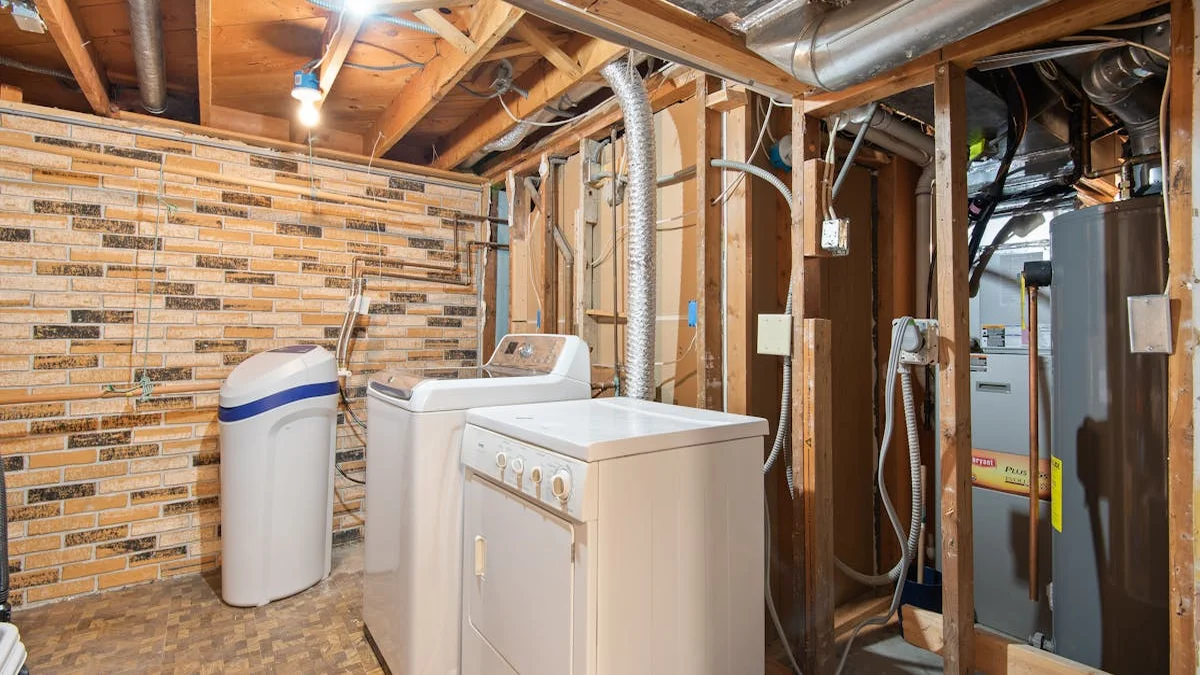
An offline log keeps your home’s operational history on your own device, so it isn’t sitting in a company’s database where it could be caught up in a data breach or a marketing profile. You own the file outright.
The Practical Benefits: From Panic to Peace of Mind
The value of a robust home maintenance log app reveals itself over years, transforming your relationship with your home.
For Insurance: Instead of reconstructing a lost receipt, you provide a dated record with serial number and photo. Claims can move faster, and Triple-I lists a faster settlement among the reasons to keep a home inventory.
For Repairs: Hand your phone to a plumber, showing the exact faucet model and a note about a quirky valve. They can arrive with the right part, saving a second trip.
For Your Wallet: You’re less likely to pay for a replacement that a warranty would have covered because the paperwork went missing. Reminders help with upkeep too: the National Fire Protection Association (NFPA) found that failure to clean was the leading factor in home clothes dryer fires, at one third of dryer fires in its 2010 to 2014 data, so a reminder to clean the dryer vent is worth setting.
For Your Legacy: When you sell, you can provide a printable PDF log, a record that can demonstrate care and may reduce buyer anxiety. It can be a selling point.
What to put in the log
- Appliance and system details: make, model, serial number, install date
- Service history: date, who did the work, what it cost
- Warranties and manuals, scanned or photographed
- Shut-off locations for water, gas and electricity
- Contact details for trusted tradespeople
A well-maintained log provides clarity and confidence. If you are setting up a system for an older relative’s home, our home maintenance schedule for seniors gives a seasonal checklist and a simple binder method.
Your Next Step: Ditch the Paper Chase for Good
Houses are built to last decades. The systems we use to manage them should be equally enduring. Relying on a subscription service that could vanish next year to guard a 30-year mortgage’s worth of history is a fundamental mismatch.
The tools exist. It requires a choice to opt out of the convenience trap—the trade of your data for slightly easier setup. Seek solutions that prioritize local storage, one-time ownership, and offline resilience.
The first step is to stop treating your home’s history as ephemeral scraps. Start consolidating. Scan those manuals. Take photos of serial numbers. Log recent repairs. Whether you use a sophisticated app or a structured document, move the data onto a device you control. The peace of mind from having your home’s entire story securely in your hand is the ultimate upgrade—and it doesn’t require a monthly fee.
Ready to move beyond the paper chase? Start with a home inventory that survives a disaster, and if you rent, see our renters insurance inventory guide.
Sources: HomeZada, pricing; HomeBinder (free for homeowners through its partner network); Triple-I, Protecting your home from mold; NFPA, Home Fires Involving Clothes Dryers and Washing Machines (March 2017, 2010 to 2014 data); Triple-I, How to create a home inventory. Prices checked 7 October 2026.