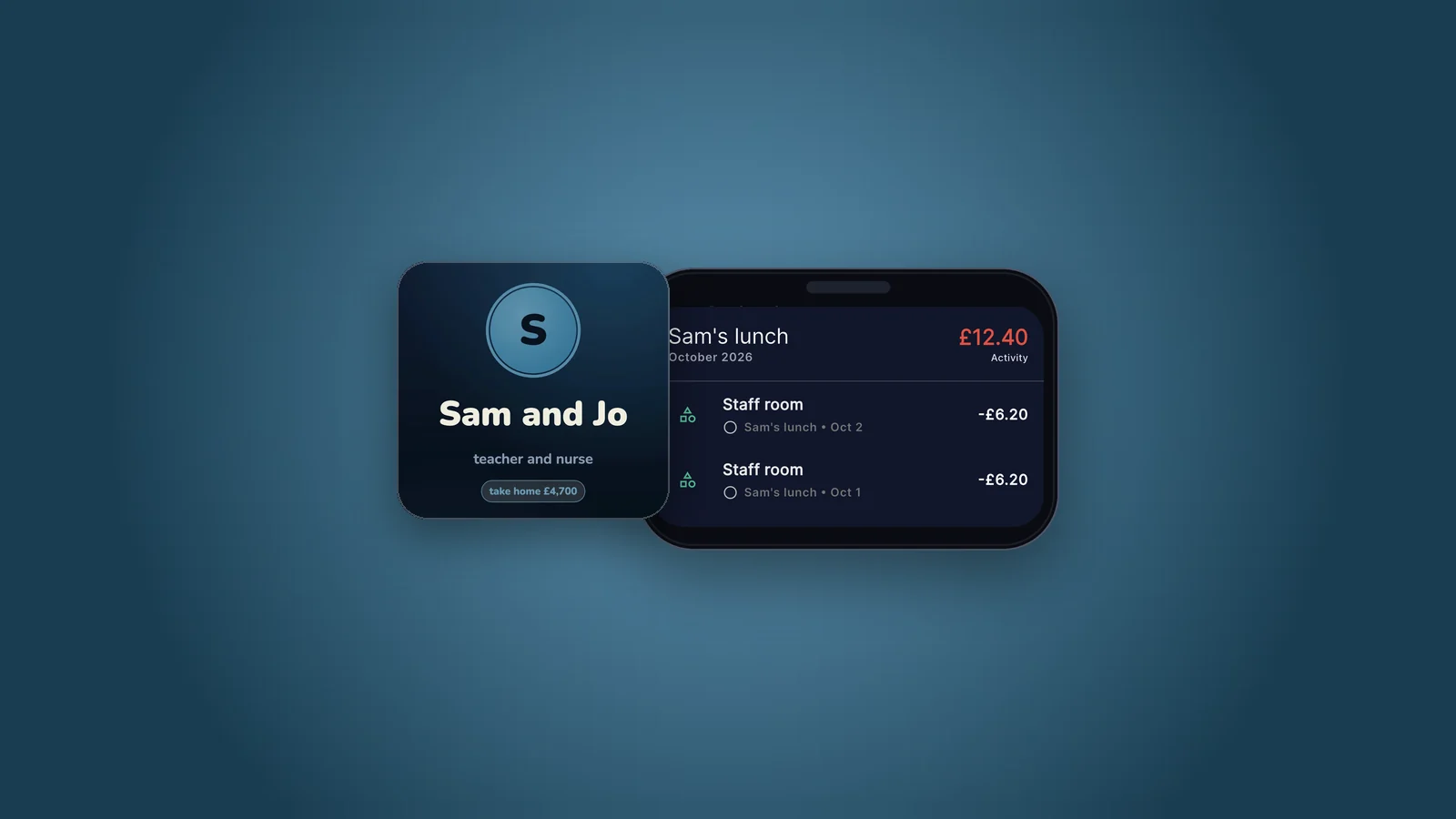
A meal deal and a coffee, four days a week, in the staff room: £6.20. Nobody budgets £6.20. Over forty-three working weeks it is £1,066, and their holiday is £1,100. Not a lecture about sandwiches. Just the number.
Sam and Jo, teacher and nurse. The households in these Shorts are illustrations built from typical UK figures, not real people, and every number below is worked on the household’s sheet.
What happened
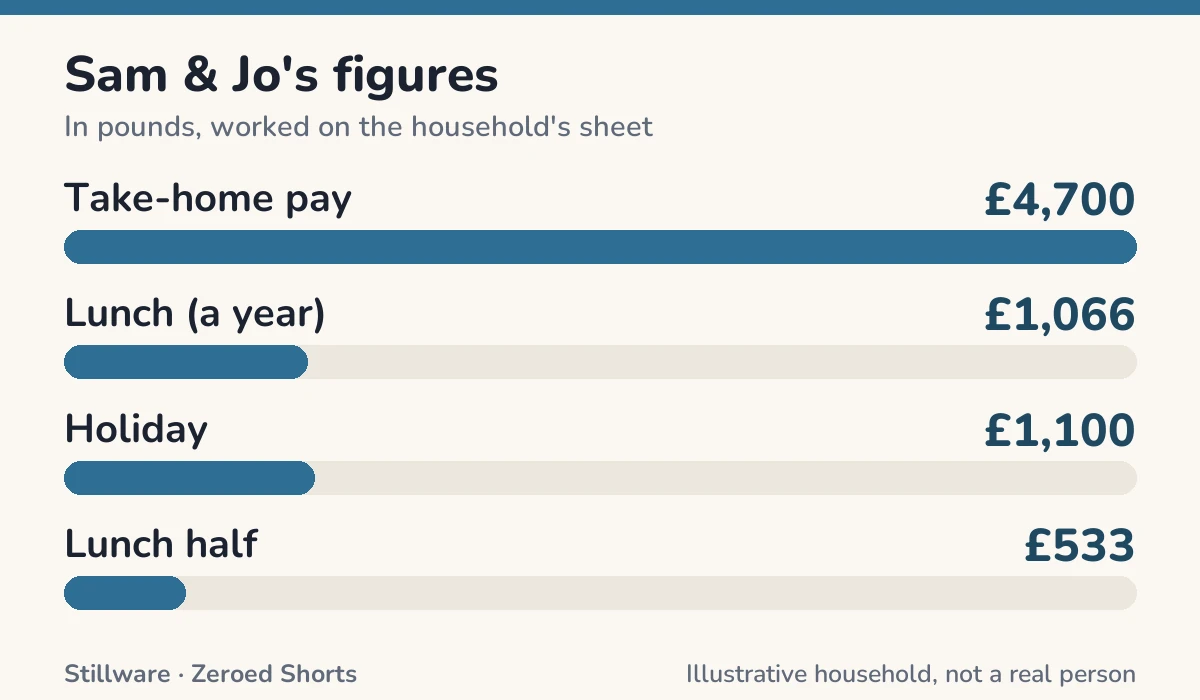
Sam and Jo, a teacher and a nurse, take home £4,700 a month. Sam’s lunch costs £1,066 a year. So, near enough, does their holiday. Neither of them had ever put those two numbers side by side.
The lunch itself is ordinary. A meal deal and a coffee, £6.20, bought four days a week and eaten in the staff room. Nobody budgets £6.20. It does not feel like a number at all; it feels like a habit, the same way the walk to work is a habit. Which is exactly why the useful question was not what it cost each day, but what it cost across the whole year.
The sum is short. Four days a week, over forty-three working weeks, at £6.20 a time, comes to £1,066. Their holiday, the one they put money aside for all year, costs £1,100. The lunch Sam barely noticed was costing almost exactly as much as the trip they spent twelve months saving towards.
The turn is not a lecture about sandwiches. Sam was free to keep buying lunch. The point was that he could now keep it knowing it was a holiday, not a coffee. A quiet leak is never the size of the purchase. It is the purchase, multiplied by all the times it was never counted. Seen at £6.20, the lunch was invisible. Seen at £1,066, it was a choice worth making on purpose, whichever way it went.
The method takes about two minutes. Take one weekday habit, multiply by the days a week, then by the working weeks in the year. Find the annual thing that number equals, something that already has a place in the household’s plans. Then decide, with the real figure in front of you rather than the daily one.
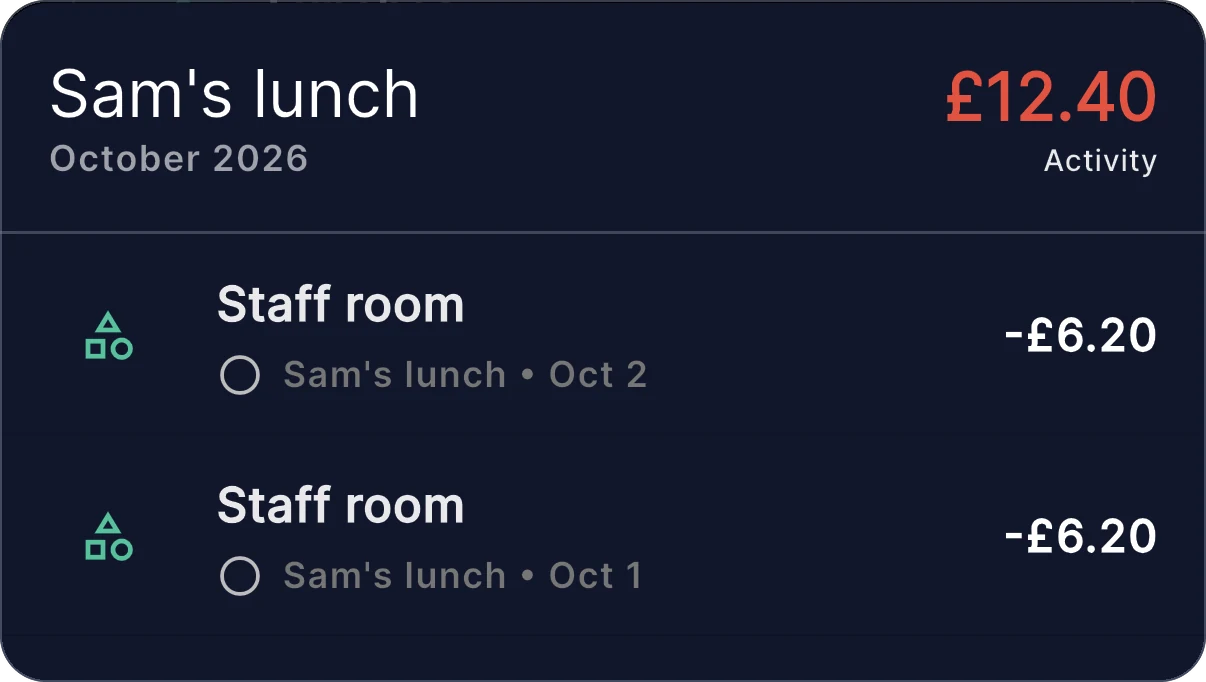
Sam decided on a middle path. He kept two days of bought lunches and started packing the other two. That alone put about £533 a year back, roughly half the original figure, before he had changed anything else in the budget. His lunch spending now sits in its own category, showing every staff-room line and the running total for the month, so the habit stays a number he can see and decide about, rather than something that simply happens four times a week.
The working
Every figure the Short says, and where it comes from on the household’s sheet.
| The Short says | Figures | Derivation |
|---|---|---|
| the same number | lunch_year ≈ holiday | on the sheet |
| four thousand seven hundred | takehome = 4,700 | takehome = sam + jo |
| six pounds twenty / four days a week | lunch_daily = 6.20; lunch_days = 4 | on the sheet |
| four days, forty-three working weeks / one thousand and sixty-six | lunch_days = 4; lunch_weeks = 43; lunch_daily * lunch_days * lunch_weeks | on the sheet |
| eleven hundred | holiday = 1,100 | on the sheet |
| about five hundred and thirty a year | round(lunch_year / 2) | on the sheet |
The turn
Six pounds twenty is not a number anyone budgets; one thousand and sixty-six is the holiday.
The Short
Monday
- One weekday habit, times the days, times the weeks.
- Find the annual thing it equals.
- Then decide.
In Zeroed
Sam’s lunch category has its own screen: every staff-room line and the month’s total. So the habit became a number he could decide about: two days kept, two packed.
Zeroed: Offline Budget Planner is the app in the Short — envelope budgeting you buy once. It works offline, with no bank login, no subscription and no data harvesting; the first thirty-four days are free, no card needed. Try Zeroed.