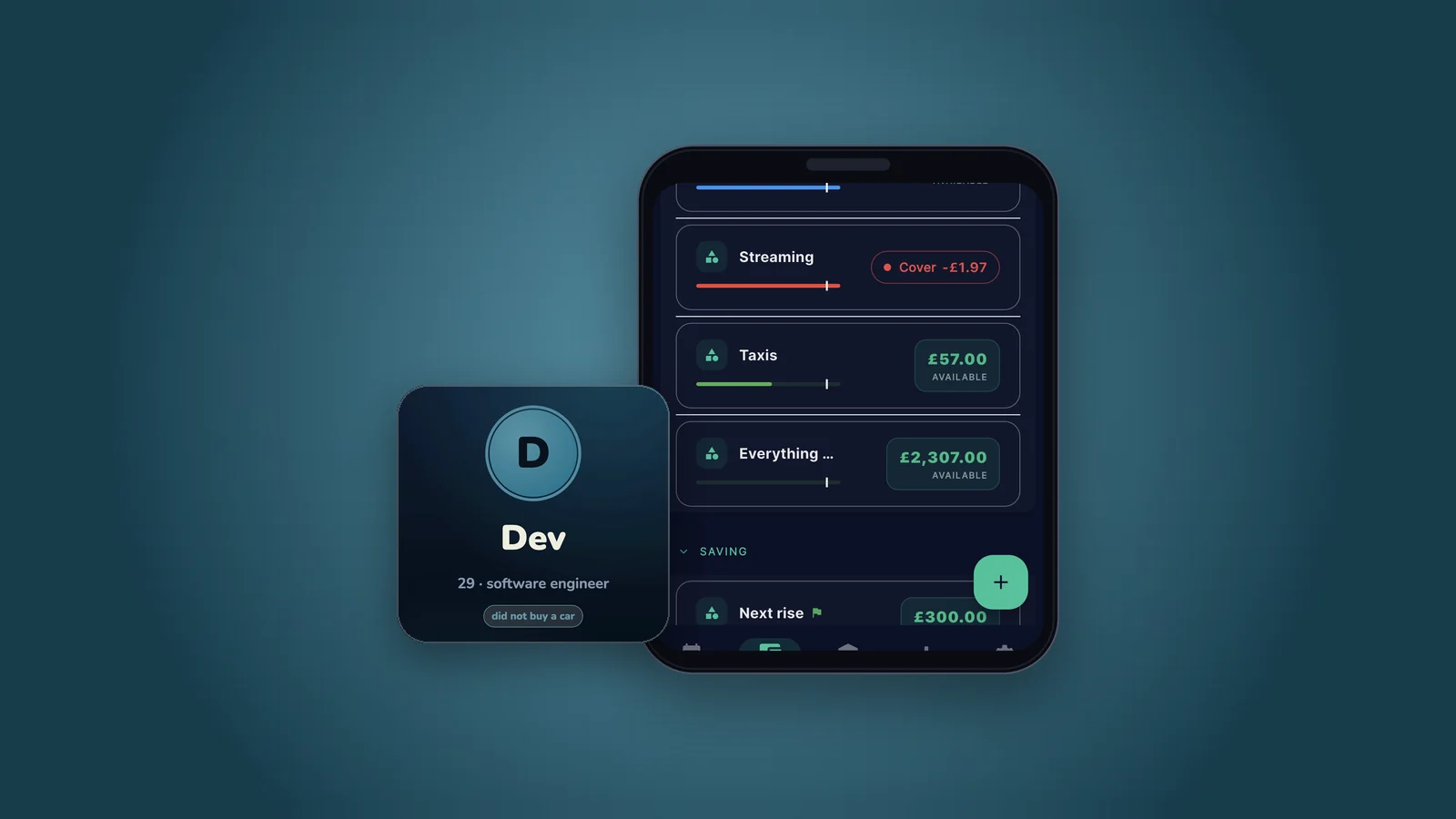
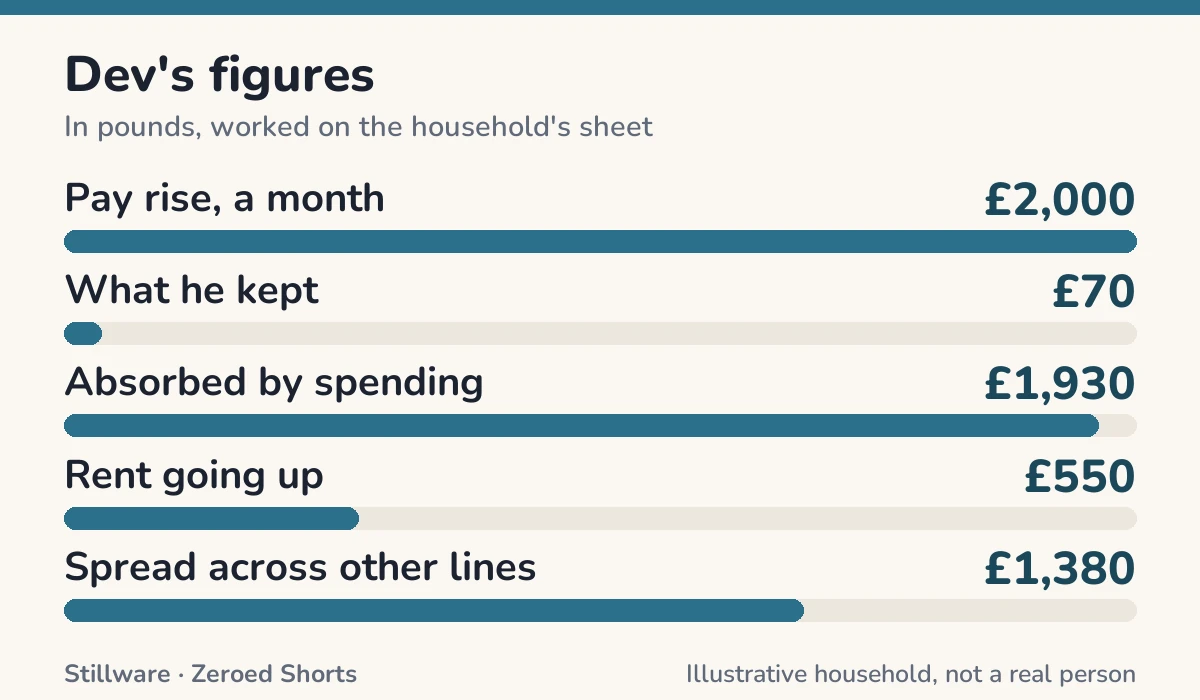
Dev’s take-home has gone up £2,000 a month in four years and his savings have gone up £70. He did not buy a car. Rent took £550; the other £1,380 sits in twenty categories, none over £200, none of them a decision. Four numbers put a figure on your own creep, and the next rise gets a job before it lands.
Dev, twenty-nine, software engineer. The households in these Shorts are illustrations built from typical UK figures, not real people, and every number below is worked on the household’s sheet.
What happened
Over four years and three pay rises, Dev’s take-home pay climbed from £4,100 a month to £6,100. That is £2,000 more arriving every month. In the same period, the amount he saves each month went from £350 to £420, an increase of £70. He is twenty-nine, a software engineer, and he had not bought a car or done anything he would call extravagant. So the obvious question was where the other £1,930 a month had gone.
Part of the answer was easy to find and easy to defend. When his flat-share ended, rent went up by £550, and that was a choice he made deliberately and would make again. The remaining £1,380 was harder to pin down, because it was not in one place. It was spread across 20 categories: coffee, lunches, a gym, three streaming services, taxis home late at night, and more like them. None of them had grown by more than £200 a month. Each one, taken alone, looked perfectly reasonable.
That was exactly the problem. Dev had never decided to spend the money. Nobody really does. Lifestyle creep is rarely one big purchase like a car. It is twenty small yeses, each of them affordable on its own, each one arriving alongside a rise that had not been given anything to do. The money did not vanish in a single moment he could point to; it was quietly absorbed by the month, category by category. Added up over a year, those small yeses came to £16,560, and he could not remember making a single decision about any of it.
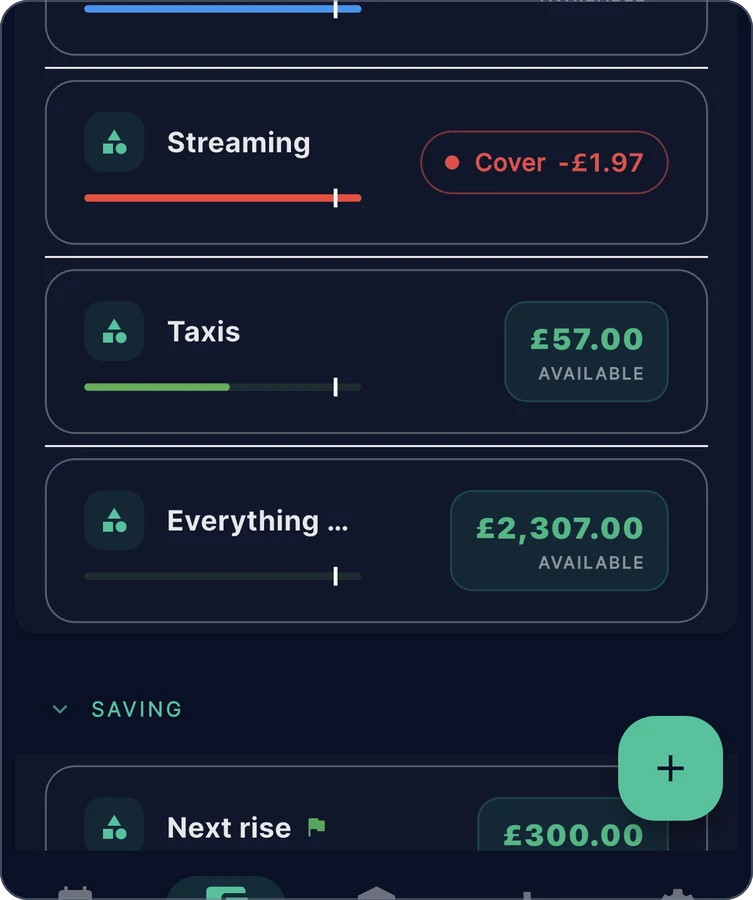
So Dev changed what happens when the next rise arrives. Before it lands, it already has a job. On payday, half of the increase moves straight into an envelope he has named Next rise, before the month has a chance to swallow it. The other half is free to be spent, but it is spent knowingly rather than by drift. When the last rise came through, that envelope took its half on the day the money arrived, and its target was met before the month had even begun.
The way he measured it takes four figures and a few minutes: take-home pay then and now, and savings then and now. Subtract the change in savings from the change in pay, and what is left is the creep. For Dev, a £2,000 rise with £70 of it kept left a creep number of £1,930 a month, most of it made up of choices he never consciously made.
The working
Every figure the Short says, and where it comes from on the household’s sheet.
| The Short says | Figures | Derivation |
|---|---|---|
| two thousand pounds a month in four years / seventy | takehome_now - takehome_4y_ago; saved_now - saved_then | on the sheet |
| one thousand nine hundred and thirty a month | rise - kept | on the sheet |
| five hundred and fifty | rent_step = 550 | rent_step = rent - rent_before |
| one thousand three hundred and eighty / twenty categories / not one over two hundred | creep - rent_step; categories_count = 20; max_category_step < 200 | on the sheet |
| sixteen thousand five hundred and sixty pounds a year | rest * 12 | on the sheet |
| Dev’s is one thousand nine hundred and thirty | rise - kept | on the sheet |
The turn
He did not decide to spend it; creep is not a car, it is twenty small yeses arriving with a rise that had no job.
The Short
Monday
- Four numbers — take-home then and now, savings then and now — and the difference between the two differences.
- Then half of the next rise into a named envelope on the day it lands.
In Zeroed
Dev’s Next rise envelope took half of the last rise the day it landed. The row shows its target met before the month began.
Zeroed: Offline Budget Planner is the app in the Short — envelope budgeting you buy once. It works offline, with no bank login, no subscription and no data harvesting; the first thirty-four days are free, no card needed. Try Zeroed.