How to Start a Rock Collection for Kids in 7 Simple Steps
Common Sense Media’s 2021 census found that US children aged 8 to 12 averaged about 5 hours 33 minutes a day with screen media, not counting school or homework. That leaves little room for the physical world, and the price is not just measured in subscription fees. We’re trading tangible, messy, real-world curiosity for polished, passive digital consumption. Learning how to start a rock collection for kids is a perfect rebellion against this trend—it’s a hands-on STEM activity that costs almost nothing to start but pays dividends in critical thinking and outdoor time. The real expense isn’t the rocks; it’s the missed opportunity for unplugged, investigative play that builds a lasting scientific mindset.
The Essential Starter Kit You Already Own
Forget the expensive kits with plastic-encased specimens from overseas. A genuine collection begins with curiosity and a few simple tools you likely already have. The goal is to empower the child as the primary investigator, not a passive recipient of pre-packaged “science.”
Here’s the essential starter kit, which prioritizes process over product:
- A Container: An egg carton, a muffin tin, or a series of small jars. This organizes finds and makes comparison easy.
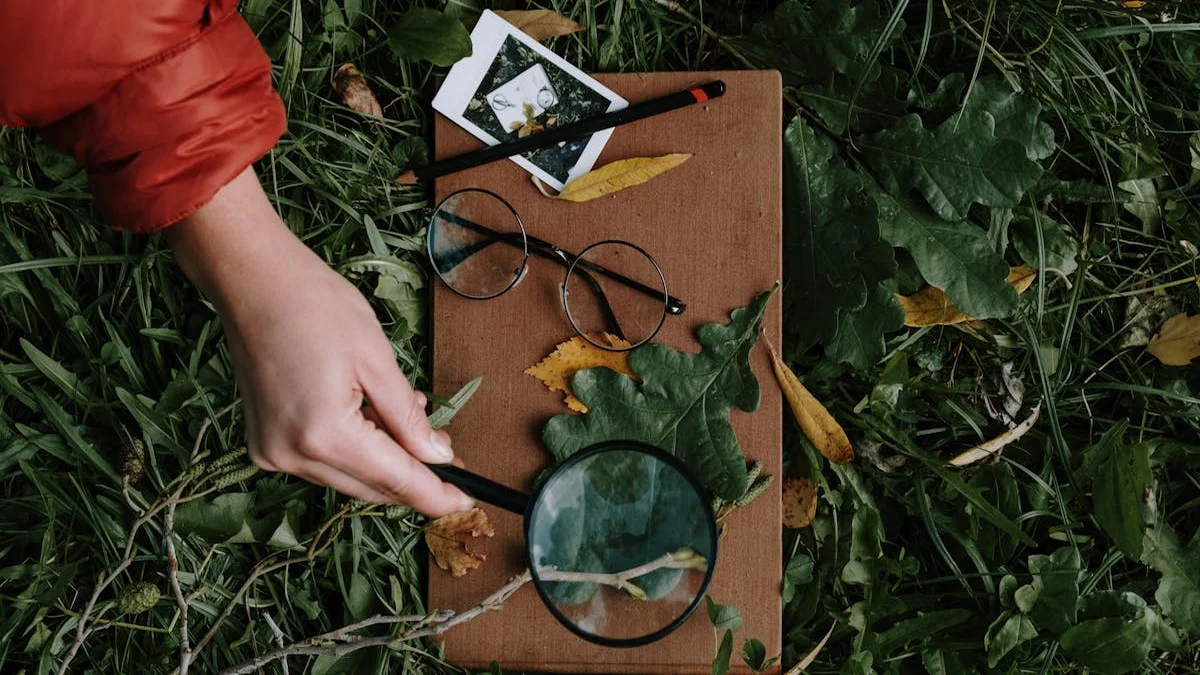
- A Magnifying Glass: A simple 6x to 10x lens is perfect for examining crystal structures, grains, and tiny fossils. The US Geological Survey says six-power to ten-power magnification is best.
- A Notebook & Pen: The field journal is critical. Record the date, location (e.g., “under the big oak in the backyard”), and a quick sketch or note about the surroundings.
- A Permanent Marker: For labeling your finds directly on a piece of masking tape if you’re using a container.
- Safety Gear: A pair of safety glasses for hammering and sturdy gloves if you’re exploring rocky areas.
The most valuable tool in rock collecting isn’t a device; it’s the question “I wonder how this got here?”
The initial investment here is minimal: most of the kit is probably already in your home, and a simple magnifying glass is inexpensive. This low barrier to entry is the entire point—science should be accessible, not a premium subscription service. Compare this to the model of many identification apps: a free download with paid premium plans for extra features. The physical kit, once assembled, is owned forever.
The Hidden Cost of “Convenient” Digital Science
Let’s break down the economics of the typical modern approach to a child’s interest in geology. A parent might download a rock-identification app. It promises instant answers from a camera scan and is free to download.
The costs can stack up:
| Cost Factor | ”Free” AI Identification App | Physical Rock Collecting Kit |
|---|---|---|
| Monetary Cost | Free download, then a paid subscription for premium features. As one example, the US App Store listing for Rock Identifier: Stone ID shows a yearly premium plan at $39.99 (checked 7 October 2026). Prices vary by app and region. | One-time cost of an inexpensive magnifying glass. Everything else is repurposed household items. |
| Data Cost | Identifies rocks from photos, so check the app’s privacy label. The example listing’s App Store privacy label (checked 7 October 2026) lists purchases, identifiers and usage data as used to track you across apps, and photos or videos among data linked to your identity. | Zero data leaves your device. Observations are recorded in a private notebook. |
| Learning Cost | Passive scanning can teach that answers come instantly from a black box. It can skip the foundational scientific method of observation and hypothesis. | Active questioning can build deductive reasoning. The process is the lesson. |
| Attention Cost | A phone or tablet sits alongside other apps, games, and notifications. | Focused, sustained attention on a single physical object and its properties. |
| Long-Term Value | Subscription stops, access ends. If the company shuts down, the tool vanishes. | The magnifying glass, journal, and collection last for decades. The skills are permanent. |
The subscription fee is only one cost; the data an app collects about a child, and the shortcut it offers around observing and asking questions, are worth weighing too. Apps differ a lot in what they collect, which is why the privacy label on an app’s store page is worth reading before you install it. Apple explains these labels in its App Store privacy documentation.
Step 1: Launch Your First Backyard Expedition
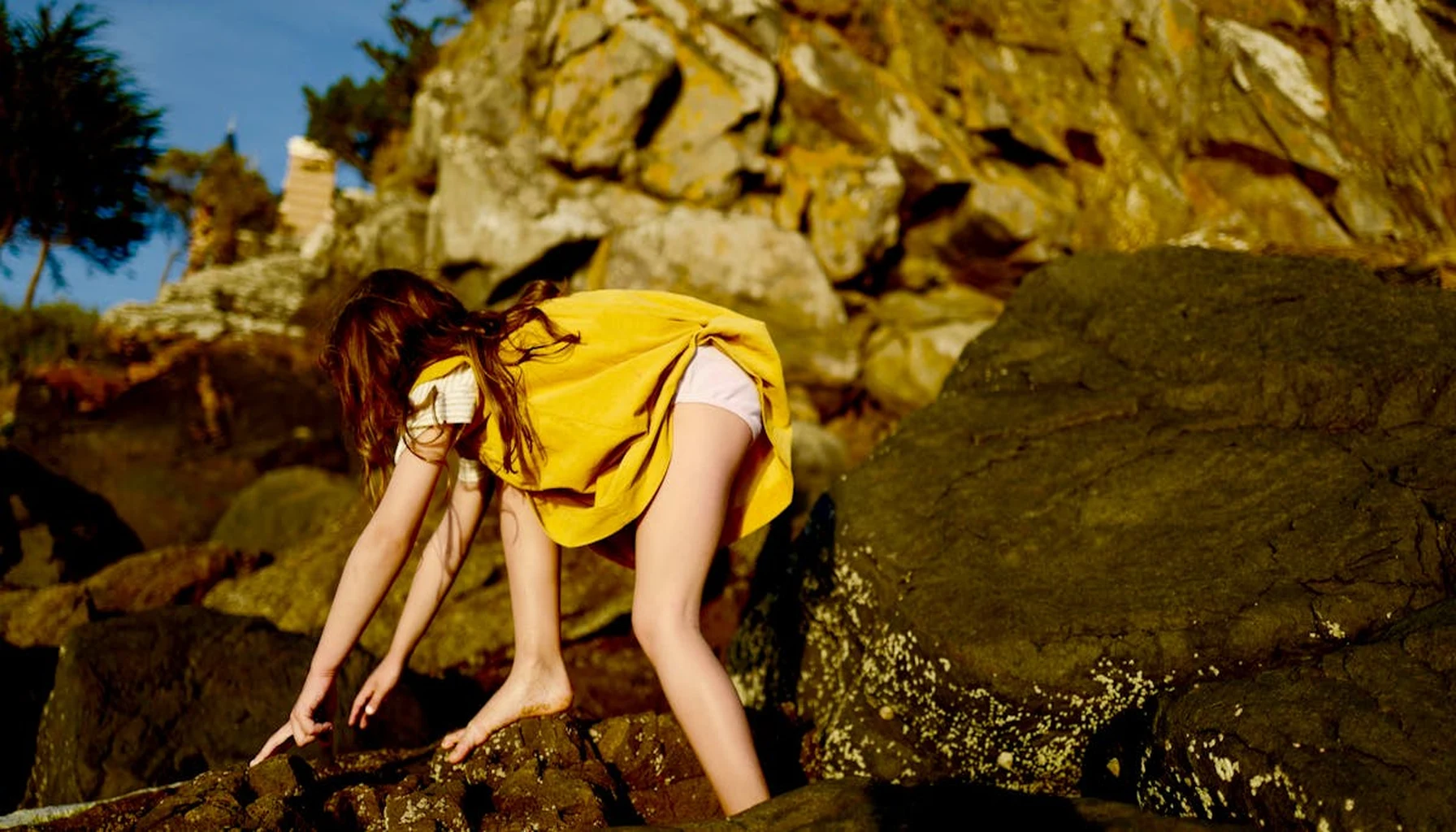
You don’t need a mountain range. Great geology is everywhere. The first expedition is about learning how to look, not what to find. This process turns a simple walk into a forensic investigation.
- Pick Your Site: Start literally outside your door. A backyard, a community garden, a local park, or even a gravel driveway are perfect hunting grounds.
- Observe the Landscape: Are you near a riverbed (smooth, rounded stones)? A construction site (fresh, jagged pieces)? An old wall or path (weathered, maybe with fossils)?
- The Collection Rules: Set gentle guidelines. Take only what fits in your palm (leave big landscape rocks). Take only one sample of a type you already have. Never collect from national parks, other protected parks, or private property without permission.
- The Field Journal Entry: For each interesting find, have your young geologist note:
- Date & Location
- Size & Shape (round, flat, jagged)
- Color & Shine (dull, glassy, metallic)
- Notable Features (sparkles, stripes, holes, fossils)
- The “I Wonder” Question (e.g., “I wonder why this one is so smooth?”)
This methodical approach is the core of the scientific method. By documenting the ‘where’ and ‘how,’ you’re building a story for each specimen that is far more valuable than a simple name. This is a skill that applies to everything from first car maintenance to troubleshooting a computer problem.
Where You Can and Cannot Collect
Where you collect matters as much as what you collect. The National Park Service says collecting rocks, minerals, and fossils is generally prohibited in all units of the National Park System, and the US Geological Survey says not to collect rocks in national parks and monuments or in state parks. On Bureau of Land Management public land, the agency generally allows the public to collect reasonable amounts of rocks and mineral specimens for noncommercial purposes, but not in developed recreation sites, on active mining claims, or where the mineral estate is privately owned. Rules differ from place to place, so check with the local land manager before you collect.

The Lifelong Skills Your Child Will Gain
Starting a rock collection isn’t about creating a future geologist (though it might). It’s about investing in a mindset. The returns are measured in non-financial, yet incredibly valuable, currencies:
- Resilience & Patience: Answers aren’t instant. Some rocks will remain “mysteries” for years, and that’s okay.
- Connection to Place: Every rock tells a story of your local environment. That granite pebble is a piece of the ancient bedrock beneath your town.
- Digital/Physical Balance: It’s an activity that naturally pulls kids away from screens and into tactile, sensory engagement with the real world.
- Foundation for Other Sciences: The skills of observation, testing, and documentation are the bedrock of biology, chemistry, and astronomy.
The cost of a magnifying glass might be the only money you ever spend. There are no in-app purchases for a better streak plate, no subscription to unlock the “igneous rock pack.” The knowledge gained becomes a permanent, owned asset, not a rented service that can vanish when a startup pivots. This focus on ownership and local capability is a principle that protects users of all ages, much like the checks in our parent guide to protecting kids’ data online.
Ready to turn your next walk into a discovery mission? The world is literally at your feet. All you need to do is look down, pick up a piece of it, and start asking questions. Give it a try this weekend—you might be surprised by what you find together.
Sources (checked 7 October 2026): Common Sense Media, Kids’ media use accelerated rapidly during the pandemic (The Common Sense Census: Media Use by Tweens and Teens, 2021); US Geological Survey, Collecting Rocks; National Park Service, Geology permits and collecting; Bureau of Land Management, Rockhounding on public lands; Apple App Store, Rock Identifier: Stone ID (price and privacy label as shown on the US store); Apple Support, About privacy information on the App Store.